Browser agentdefinition and how it works in 2026
- Browser agent
- An AI agent specialized in driving a web browser — navigating sites, filling forms, scraping data, and completing multi-step web workflows on behalf of the user.
A browser agent is the focused-scope cousin of computer-use agents. Where computer-use covers the full desktop, a browser agent is browser-only — and the narrower scope often makes it more reliable. The agent renders a page, decides what to click or type, executes the action, observes the result, and loops.
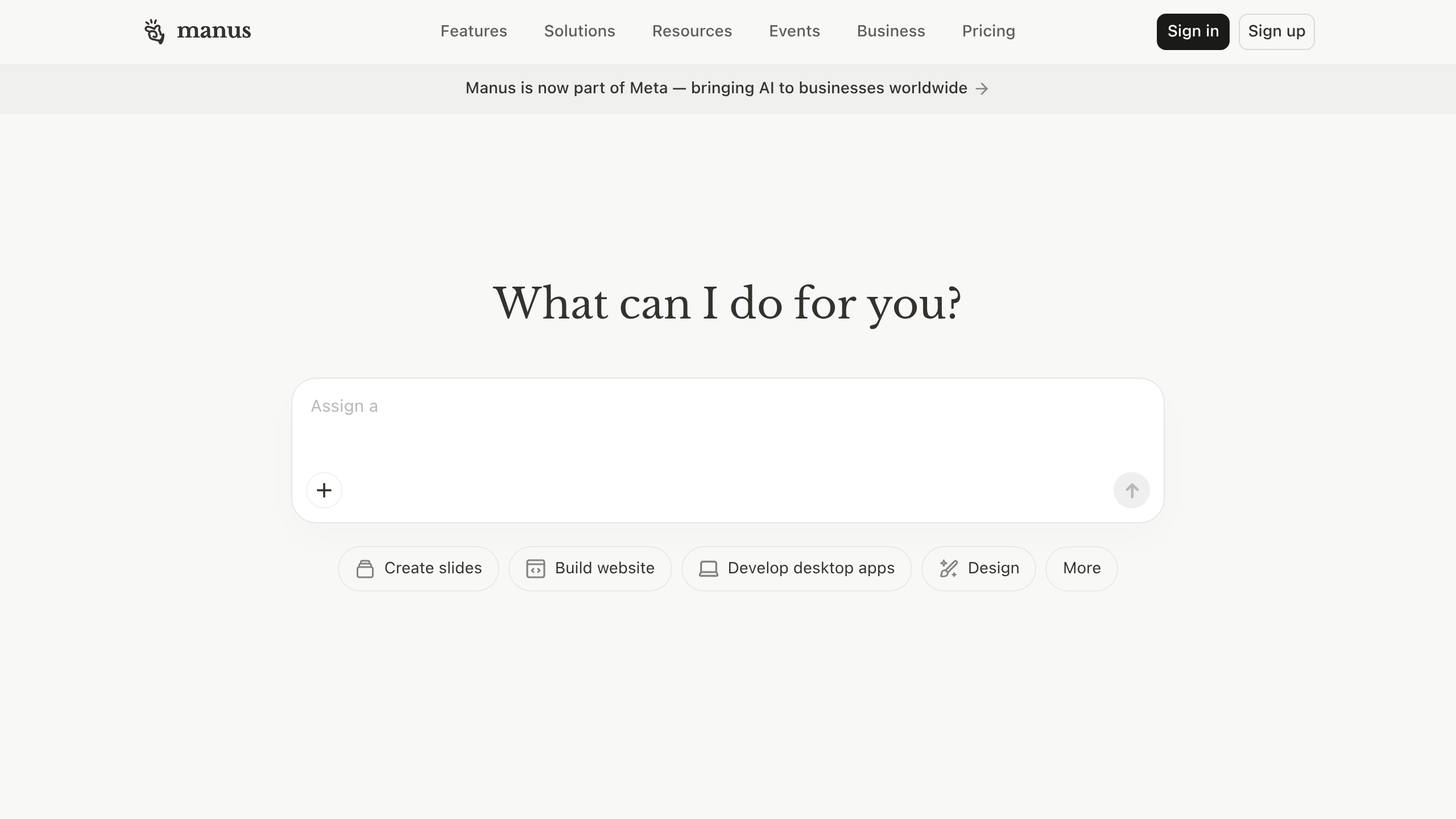
The 2026 production options: OpenAI Operator (consumer-facing, ChatGPT-integrated), Manus (research-focused autonomous browsing), Anthropic computer-use mode (full-desktop with strong browser performance), and a growing ecosystem of vertical browser agents for specific industries (real estate, travel, e-commerce).
For developers building browser agents, the choice is between visual approaches (screenshot + click coordinates) and DOM approaches (parse the page structure). Visual is more robust to UI changes; DOM is faster and cheaper. Modern stacks use both — vision for navigation, DOM for precise extraction.
Frequently asked
What is the difference between a browser agent and computer use?+
A browser agent is scoped to a browser; computer use covers the full desktop. Browser agents are more focused, often more reliable, and cheaper to operate. Computer use is more powerful but harder to make reliable.
Are browser agents production-ready in 2026?+
For internal automation and prototyping: yes, with retry logic and human review. For autonomous consumer-facing flows touching money: not yet — error rates of 5–15% per action mean compound failures over long flows.