AI data analystdefinition and how it works in 2026
- AI data analyst
- An agent that connects to data warehouses, runs SQL, builds charts, and produces narrative analyses — replacing the "Slack-to-the-analytics-team" loop for routine business questions.
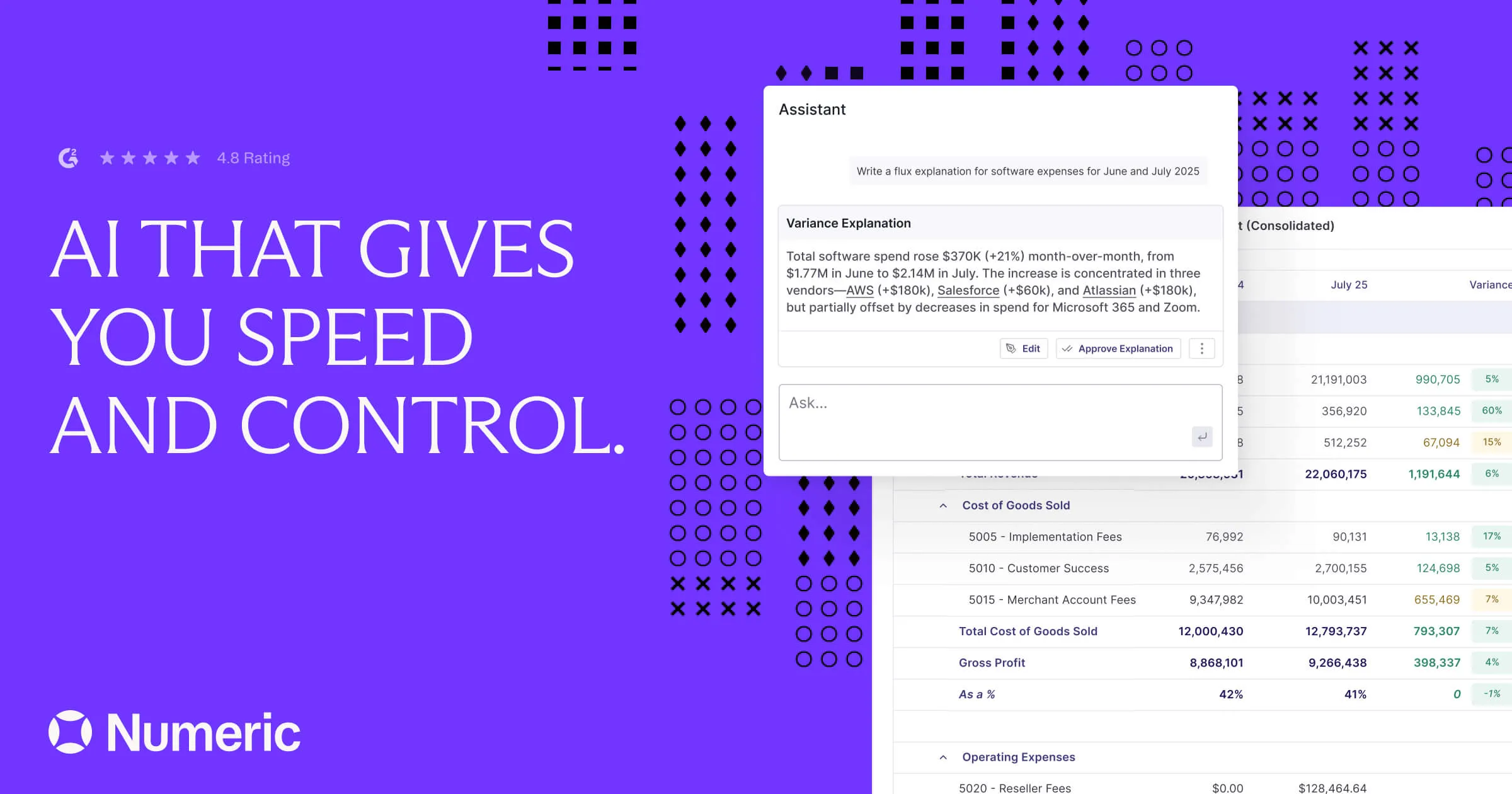
Stakeholder asks "why did revenue drop in EMEA last week?" An AI data analyst connects to the warehouse, writes the SQL, runs it, finds the contributing segment, charts it, and writes a 200-word explanation. The whole loop in 30 seconds instead of 2 days.
Production AI data analysts in 2026 — Hex Magic, Julius, Mode AI, Snowflake Cortex Analyst — combine a SQL-generation LLM with a semantic layer (or dbt manifest) so they reason about your business model, not just your raw tables.
The bar to ship internally is mid — semantic layer quality matters more than model quality. Get the semantic layer right and a 70B-tier model gives a 90B-tier analyst experience. Get it wrong and even a frontier model writes confidently wrong SQL.
Where this shows up
Frequently asked
Will an AI data analyst replace my data team?+
It replaces the "quick ad-hoc" tier of analyst work — the questions you would have asked in Slack. Strategic analysis, model design, and stakeholder partnership are still very much human work.
What does a production AI data analyst need to ship?+
A semantic layer (dbt + business definitions), a SQL-capable LLM, read-only warehouse credentials, a chart renderer, and guardrails on PII and aggregation rules. The semantic layer is the long pole.