Google's AI research assistant that grounds answers in uploaded sources — PDFs, notes, audio.
RAGMemoryVoice
Demo · hover to play
Long-form documents reduced to action-grade summaries — contracts, RFPs, research papers, transcripts. Quality bar: an executive can act on the summary without reading the source.
Google's AI research assistant that grounds answers in uploaded sources — PDFs, notes, audio.
Multi-step research agent inside ChatGPT — autonomous browsing produces 5-30min citation-heavy reports.
Browser-driving agent that completes web tasks autonomously — booking, shopping, research.
Microsoft's AI work assistant — agents across Word, Excel, Outlook, Teams, and the Microsoft 365 stack.
Claude with computer-use capability — sees the screen, moves cursor, types, navigates apps autonomously.

Agentic AI search engine — multi-step web research with citations, code, and image modes.
AI assistant inside Notion — write, summarize, query your workspace, and run agents on connected data.
Visual workflow automation with AI agents — drag-and-drop scenarios across 2,000+ apps.
Microsoft's open-source multi-agent framework — orchestrate conversations between specialised agents.
Open-source framework for orchestrating role-playing autonomous AI agents in collaborative crews.
7,000+ app integrations plus an AI agent layer — your existing automation stack, now with planning.
AI meeting agent that transcribes, summarizes, and extracts action items from every conversation.
No-code web scraping and monitoring agents — train on any site by clicking, then schedule.
Multi-step research agent that produces sourced reports from a single question.
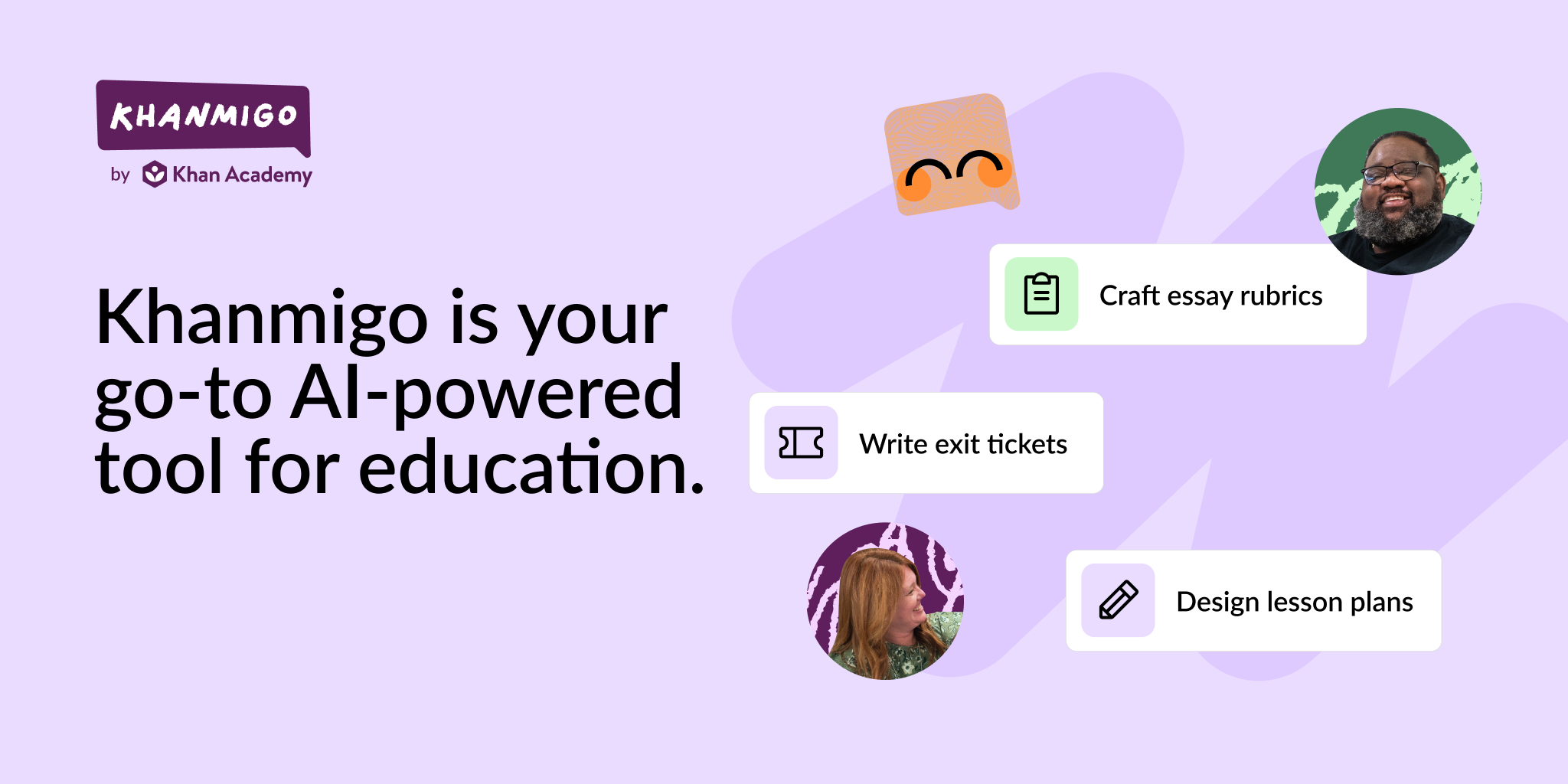
Khan Academy's AI tutor — Socratic-style coaching for math, writing, history, and exam prep.
Conversation-intelligence agent for sales and CS — transcribes, scores, and syncs calls to your CRM.
LangChain's stateful multi-agent framework — graph-based orchestration with persistence and human-in-the-loop.
Browser workflow agent that automates repetitive web tasks across Sheets, CRM, Notion.
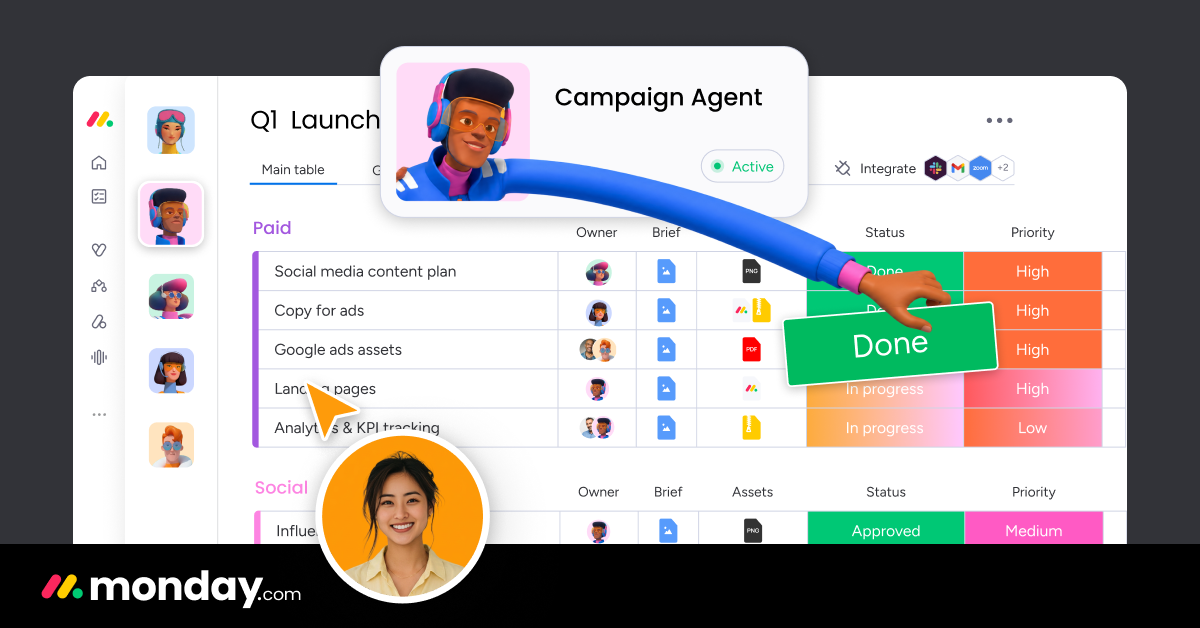
Work-management platform with monday AI — agents that draft updates, summarize boards and automate workflows.
General-purpose agent that turns a single prompt into a finished deliverable.
AGENTS20
AI search engine for scientific research — surfaces answers from 200M+ peer-reviewed papers.
OpenAI's lightweight multi-agent reference implementation — handoff + routine patterns, educational.
Global payroll & hiring platform with Deel AI — an assistant for HR, compliance and contractor ops.
AI pendant + meeting recorder — captures conversations and surfaces them as searchable memory.
AI task + calendar planner — auto-prioritizes tasks, schedules deep work, replans when meetings shift.
AI calendar assistant — auto-schedules focus time, tasks, habits, and meetings around your priorities.
Long-running researcher inside Gemini that plans, browses and writes briefs.
Open-source workflow automation with first-class AI agent nodes — self-host or use cloud.
AI assistant that automates repetitive typing — paste templates and autofill across any web app.
AI search engine for developers — answers technical questions with code-first results and citations.
AI-native workspace for projects, notes and custom agents that automate workflows.
Open-source LLM app & AI-agent builder — visual workflows, RAG pipelines and tool-calling agents.
Pre-built AI employees that automate marketing, sales, support and admin tasks.
Meeting-notes agent that captures, summarizes and turns calls into action — the personal CoS for knowledge workers.
Build no-code AI employees for inbox, meetings and CRM updates.
AIAGENTSEnterprise AI worker — unified search, work assistant, and custom agents grounded in your company knowledge.
AI agent inside Linear — triages issues, drafts engineering specs, runs cross-team workflows on tickets.
AI employee for IT and HR — resolves helpdesk tickets, answers policy questions, automates internal ops.
Literature-review agent for academics — extracts and synthesizes from 200M+ papers.
AI legal associate for law firms — drafts, reviews, and researches across complex matters.
AI email client — natural-language search, summary, scheduled send, and AI-drafted replies grounded in your inbox.
Smart citations and AI research assistant — papers classified by supporting vs contrasting evidence.
Personal AI agent that browses the web for you — books flights, fills forms, completes tasks autonomously.
Self-organizing memory agent that captures and surfaces what matters.
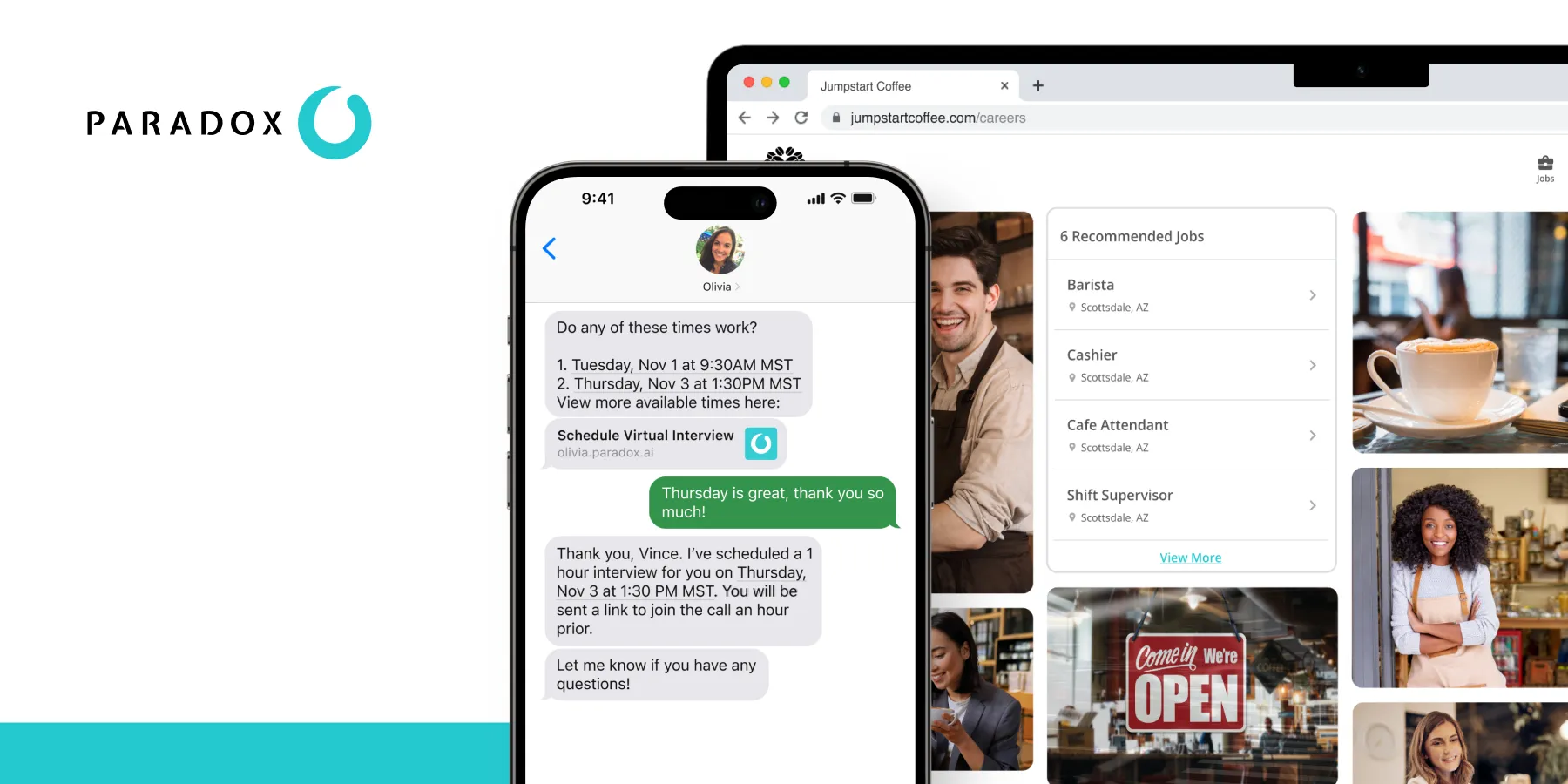
AI recruiter "Olivia" — sources candidates, screens, schedules interviews, and handles onboarding logistics.
Security and IT workflow agents with human-in-the-loop gates — the no-code platform for SOC + ITOps.
Safety-focused AI healthcare agents — patient outreach, intake, chronic-care follow-up.

Autonomous AP accountant — reads invoices, codes GL accounts, routes approvals, posts to your ERP.
AI-powered bookkeeping and CFO services for startups — autonomous monthly close with human reviewers.
AI talent intelligence — skills-based hiring, internal mobility, and workforce planning powered by deep learning.
Human-in-the-loop workflow agents that connect 100+ apps with approvals.
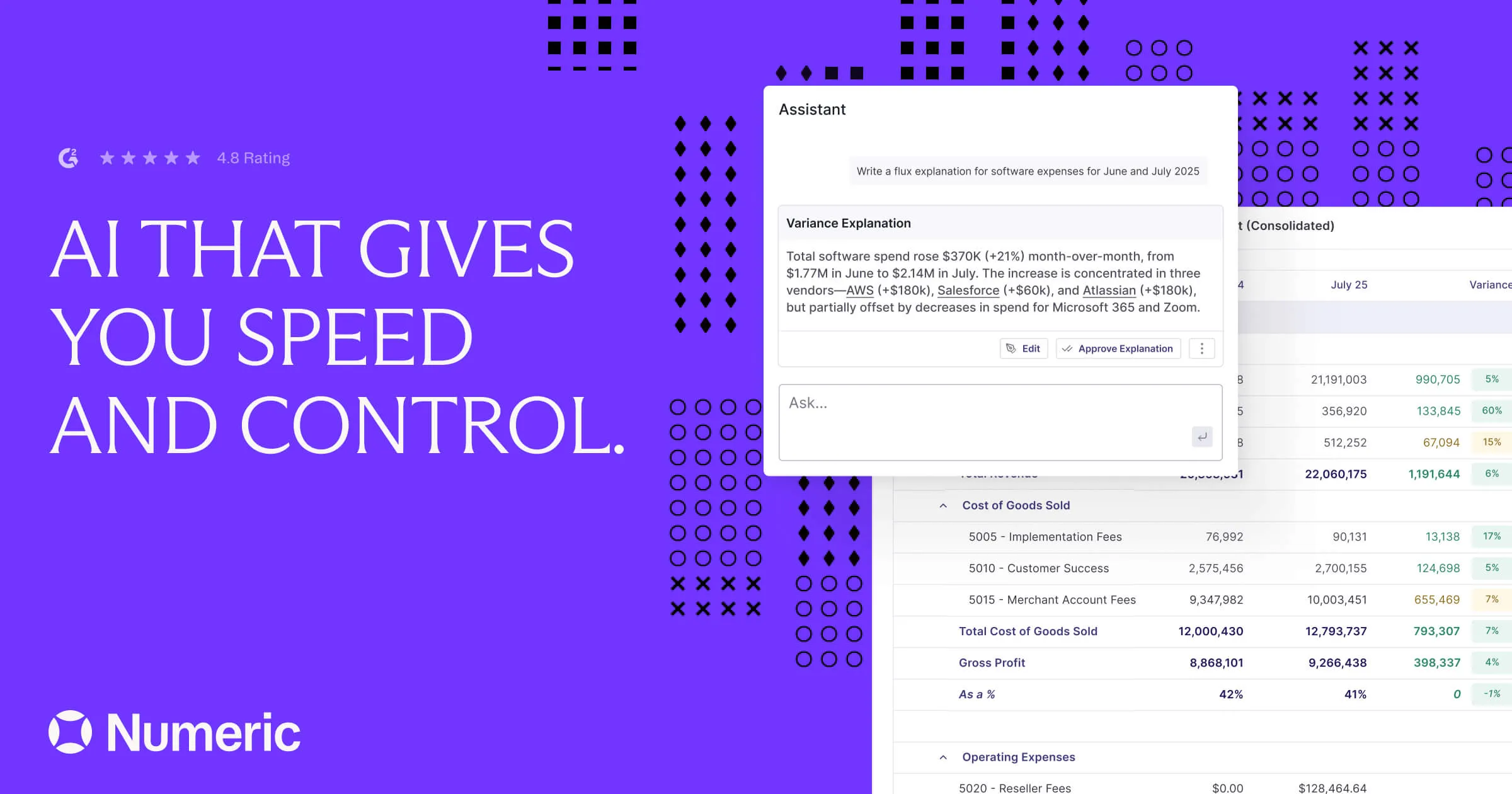
AI controller — autonomous month-end close, reconciliations, flux analysis and variance commentary.
Browser-driving AI agent — completes multi-step workflows on real web apps the way a human would.
Your personal AI chief of staff for inbox, calendar and life admin.
AGENTS15AI-driven bookkeeping for SMBs — categorizes transactions, reconciles bank feeds, generates monthly close.
Build durable agents that act on your internal data — open framework.
Visual canvas agent — plans, drafts and thinks alongside you.
"Multiplayer AI" — shared, governed company-wide agents across your stack.
Visual no-code platform for building always-on agent workflows.
AI-led sourcing, interviewing, and contracting platform for knowledge work.

Collaborative legal AI agents for due diligence, contract review, and drafting.
Multi-agent orchestration platform from Japan — TRINITY model + finance underwriting agents.
EU-sovereign agentic assistant on Mistral Medium 3.5 with parallel Work mode across SaaS.
India's first AI unicorn — full-stack consumer agent on indigenous models and chips.
Sovereign-AI agent platform for EU governments and regulated industries — PhariaAI.
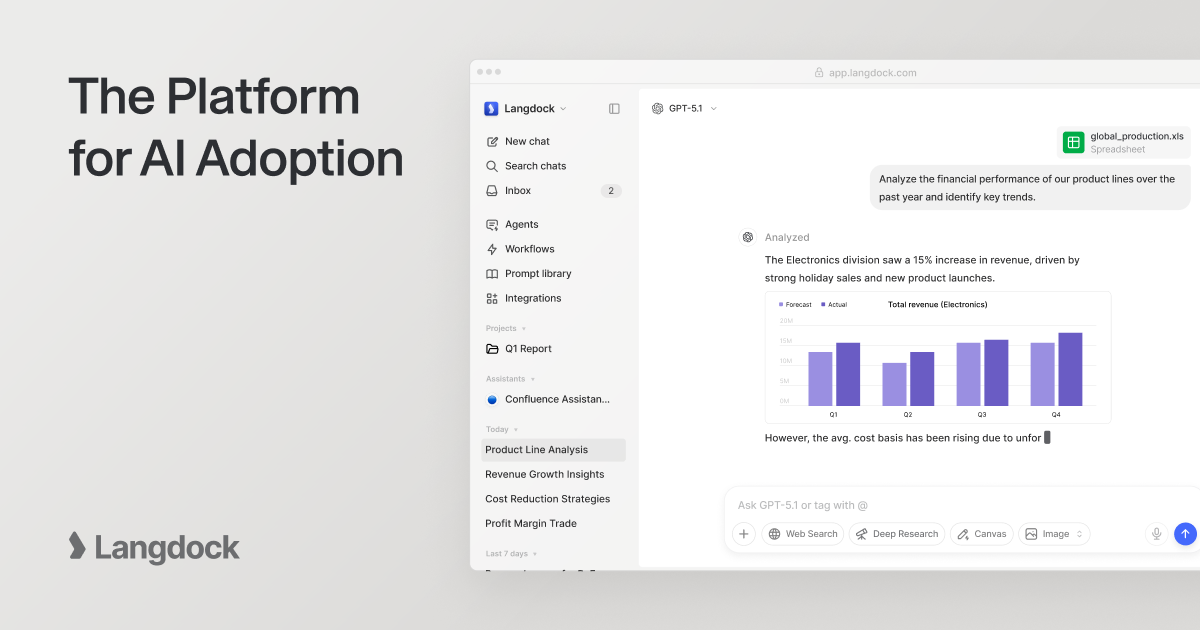
GDPR-native multi-model AI workspace with built-in agent builder — Europe's Glean alternative.
Multi-agent super-agent with built-in AI phone module — research, slides, sheets, real-world calls.
Clinical-intelligence agents enabling 85% real-time prior-auth approvals — CMS-0057 compliant.
Pay-per-task agents for prior auth, denial appeals, and revenue-cycle automation.
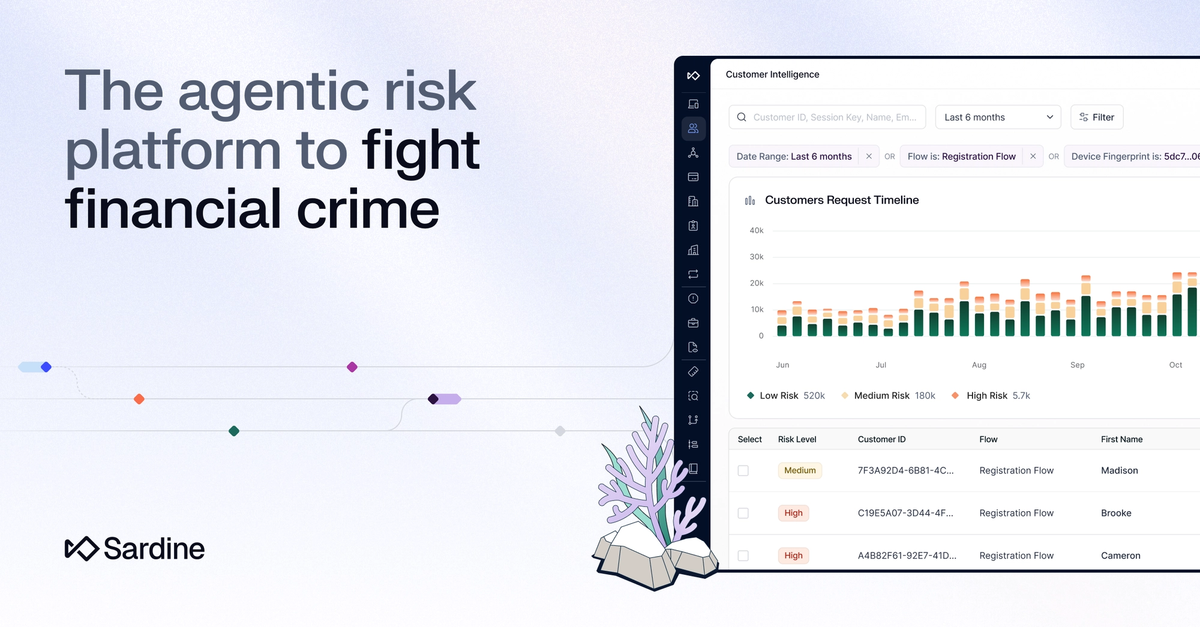
Agentic financial-crime ops — consolidates 11 fraud/KYC vendors, auto-reviews 40% of applications.
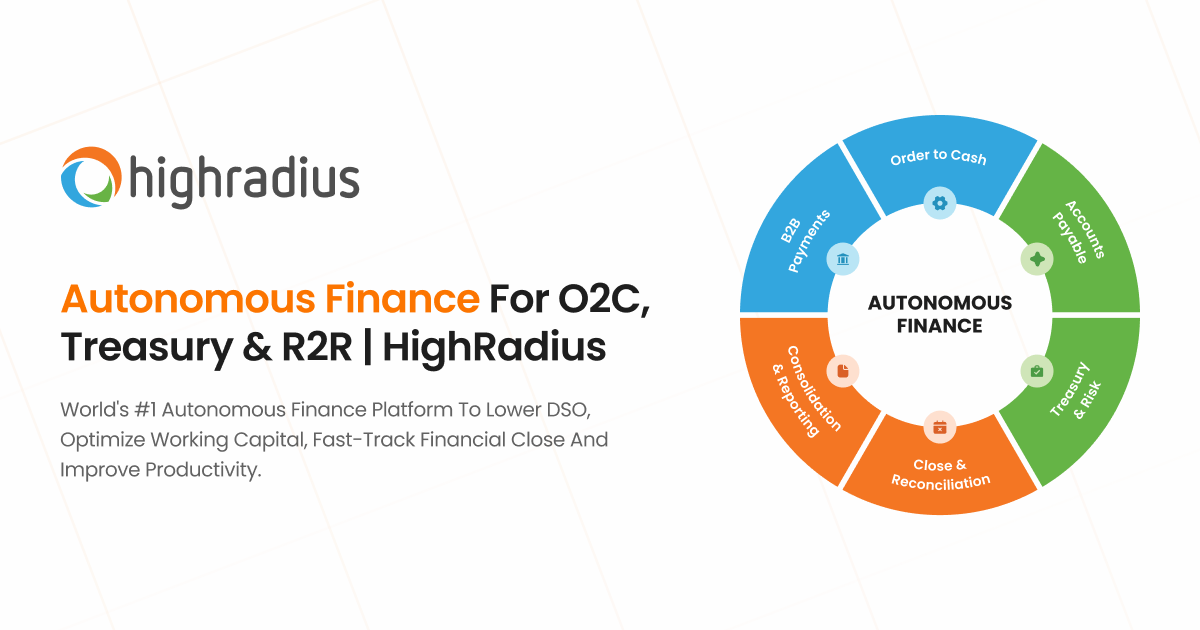
Autonomous agents for AR, cash application, and treasury forecasting at enterprise scale.
Hyperautomation + agentic SOC for autonomous threat response — Forbes "de facto leader".
Web search and research API for agents — used by Clay, Harvey, and Notion in production.

Enterprise "Agent OS" with trust, memory, and multi-agent coordination — built by ex-Atlassian CTO.
Our top picks for document summarization are NotebookLM, OpenAI Deep Research, OpenAI Operator. Rankings reflect community signal, editorial Agent Rank score, and capability match against the document summarization workflow.
For document summarization, prioritize: (1) reliability on edge cases, not just demo workflows; (2) integration with the tools you already use; (3) audit trail when the agent acts on your behalf; (4) cost per successful outcome, not cost per token. Production-grade agents publish at least their evaluation methodology.
36 of the ranked agents have a free tier or are open source: NotebookLM, Anthropic Computer Use, You.com, Make.com Agents.